The WWF is run at a local level by the following offices...
- WWF Global
- Adria
- Argentina
- Armenia
- AsiaPacific
- Australia
- Austria
- Azerbaijan
- Belgium
- Bhutan
- Bolivia
- Borneo
- Brazil
- Bulgaria
- Cambodia
- Cameroon
- Canada
- Caucasus
- Central African Republic
- Central America
- Central Asia
- Chile
- China
- Colombia
- Croatia
- Democratic Republic of the Congo
- Denmark
- Ecuador
- European Policy Office
- Finland
WWF-Hong Kong seeks to enhance secondary students’ comprehension of conservation issues and provide them with opportunities to learn first-hand through practical experience. Our secondary education programmes have a broad scope, covering wetlands, oceans, the ecological footprint, nature-based solutions, and other conservation issues. Learning about these topics helps students deepen their relationship with nature and the environment and empowers them to become active global citizens who are able to tackle pressing environmental challenges, in particular, biodiversity loss and climate change.
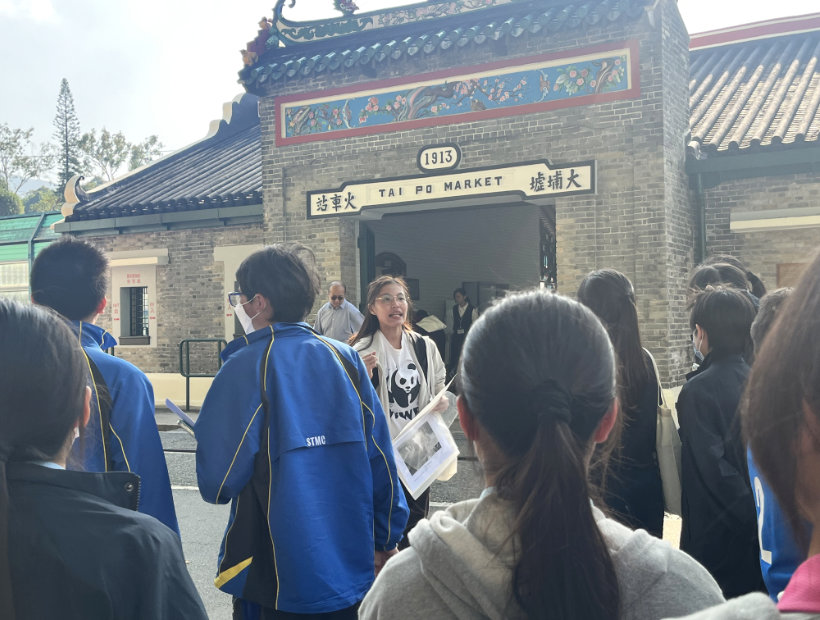
Place-based Learning: A comprehensive understanding of Island House’s natural ecology, the cultural history development of Tai Po, and the importance of conservation.
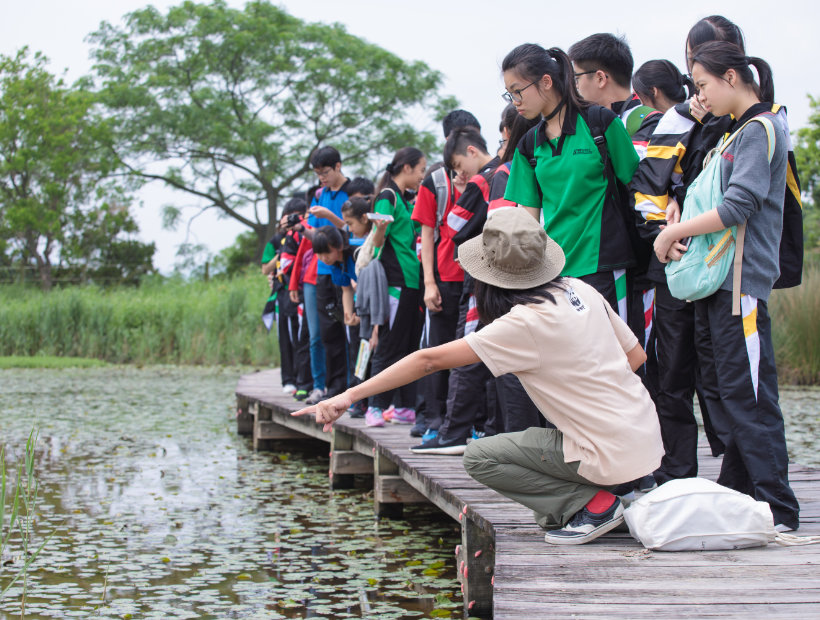
Discover Hong Kong's fascinating wetlands and learn to appreciate nature by exploring various wetland habitats. Two learning routes are available to cater to students' different learning needs.
* Teachers have the option to select either the floating boardwalk experience or the regular boardwalk experience in the application
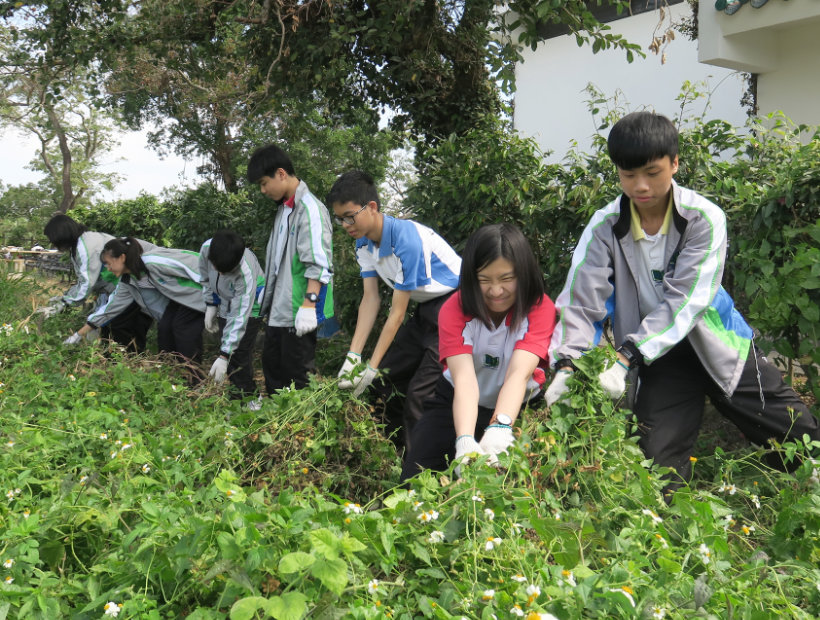
Take part in an on-site field study and perform field work to understand the importance of wetland management through service learning.
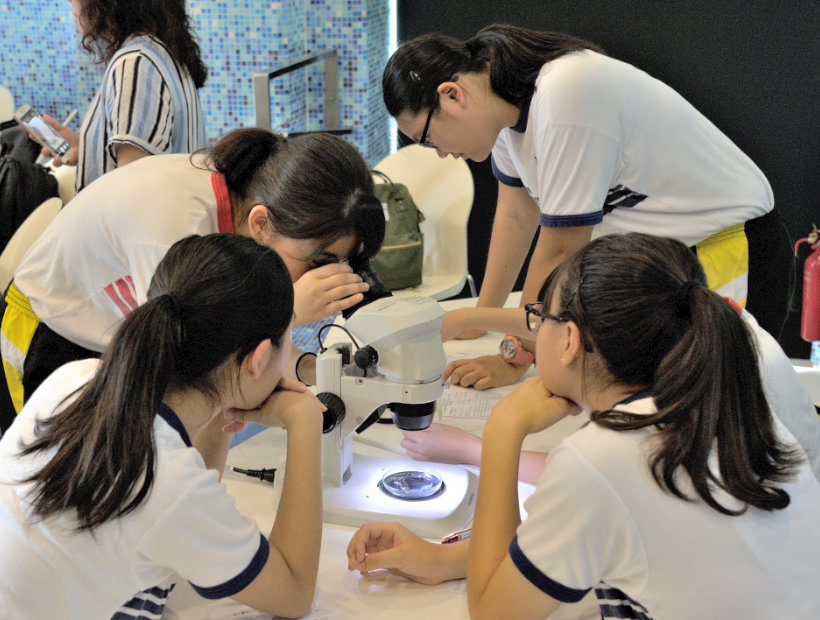
Experience the day-to-day work of an oceanographer. Investigate the properties of seawater and marine organisms by observing plankton, performing scientific measurements and learning how human activities affect marine biodiversity.
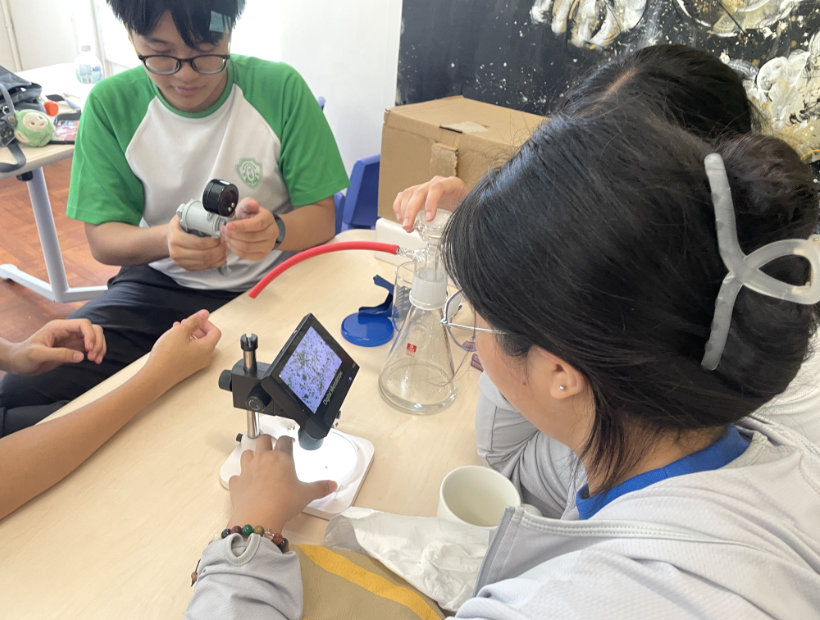
Reflect on the environmental impacts of our daily habits by taking part in a shoreline clean-up, conducting a marine litter survey and examining microplastics.
* This programme is only conducted on dates and timeslots that are suitable for coastal field study
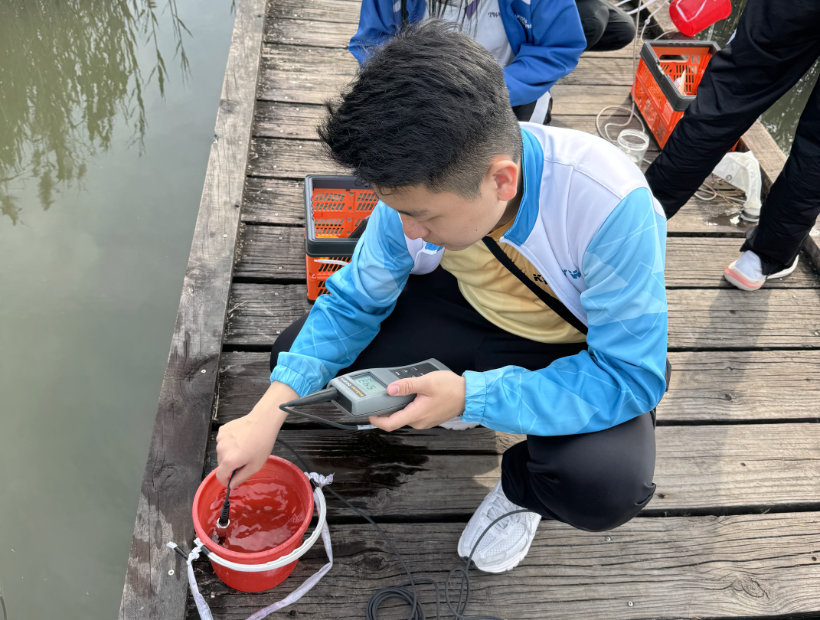
Understand the value and importance of biodiversity through environmental and wildlife surveys, and learn about the technological applications in wetland monitoring and management.
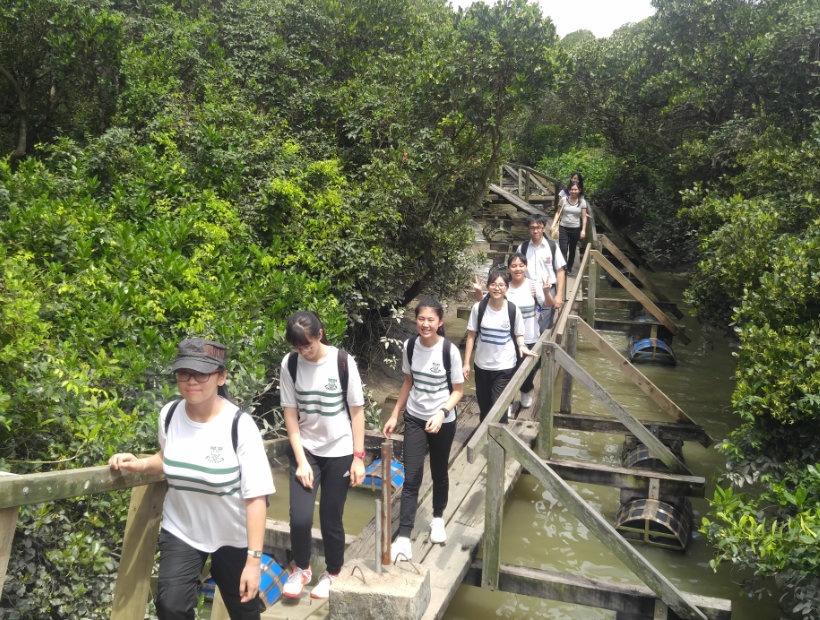
Explore the largest mangrove stand in Hong Kong, located in the core zone of Mai Po, and learn about mangroves’ features, ecology and the threats they face.
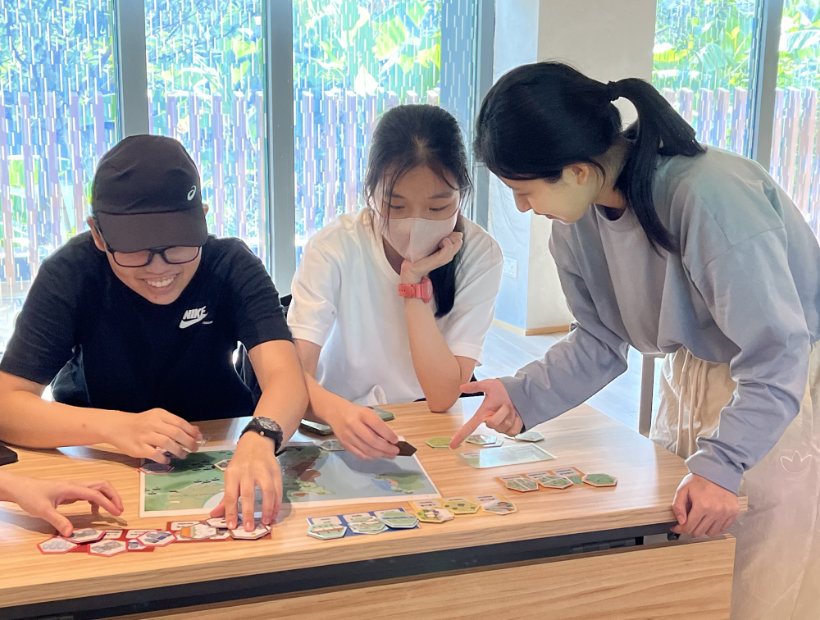
Uncover the impacts of large-scale development projects on wetlands in Hong Kong. Learn about the various stakeholders involved and the importance of sustainable development through group discussions and an urban planning exercise.
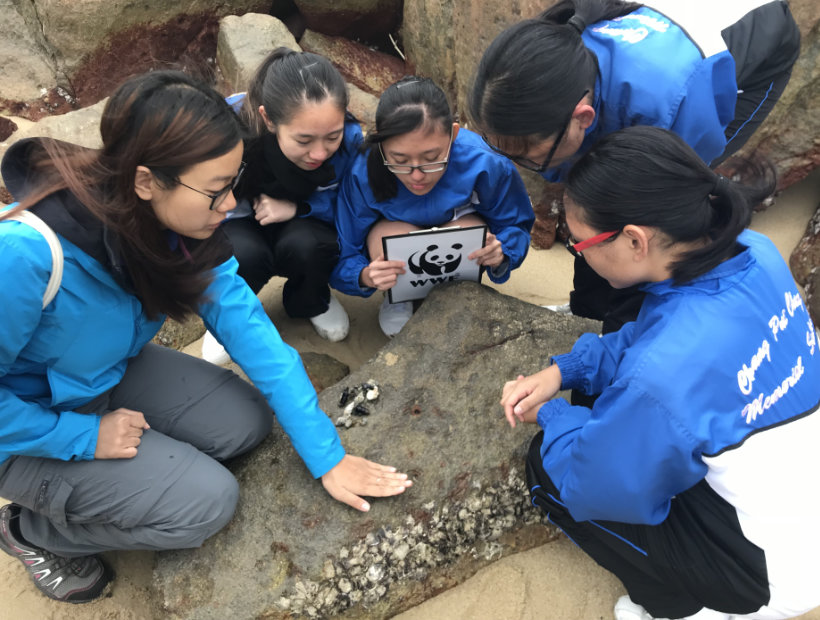
Investigate intertidal habitats using scientific methods, participate in an on-site field study in a marine park and discover the importance of establishing marine protected areas.
* This programme is only conducted on dates and timeslots that are suitable for coastal field study
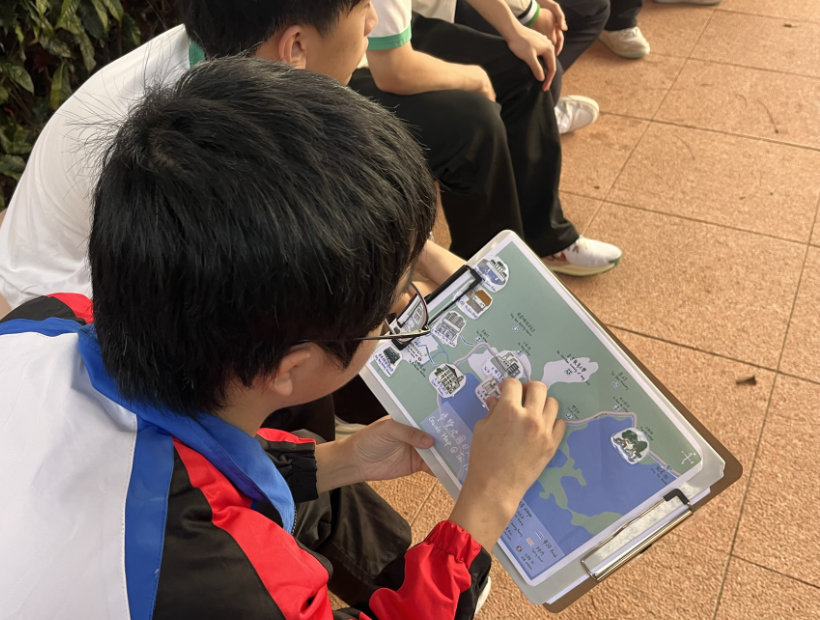
Using Tai Po as a case study, conduct orientation tasks and field studies with maps to explore the elements of a sustainable city.
* This programme is only conducted on dates and timeslots that are suitable for coastal field study